

Best SaaS Business Ideas in 2026 | Niches, Software, Examples
An in-depth look at how AI is transforming cybersecurity on both sides, enabling attackers to automate threats while empowering defenders with faster detection, stronger analysis, and adaptive protection. The article explores expert insights, practical implications for companies, and the future of AI-driven security frameworks.

The SaaS sector is always evolving because automation, blockchain, and applied AI are transforming how software is made and marketed. Industry forecasts say that global SaaS sales will reach up to $300 billion by 2026, and they don't show any indications of slowing down.
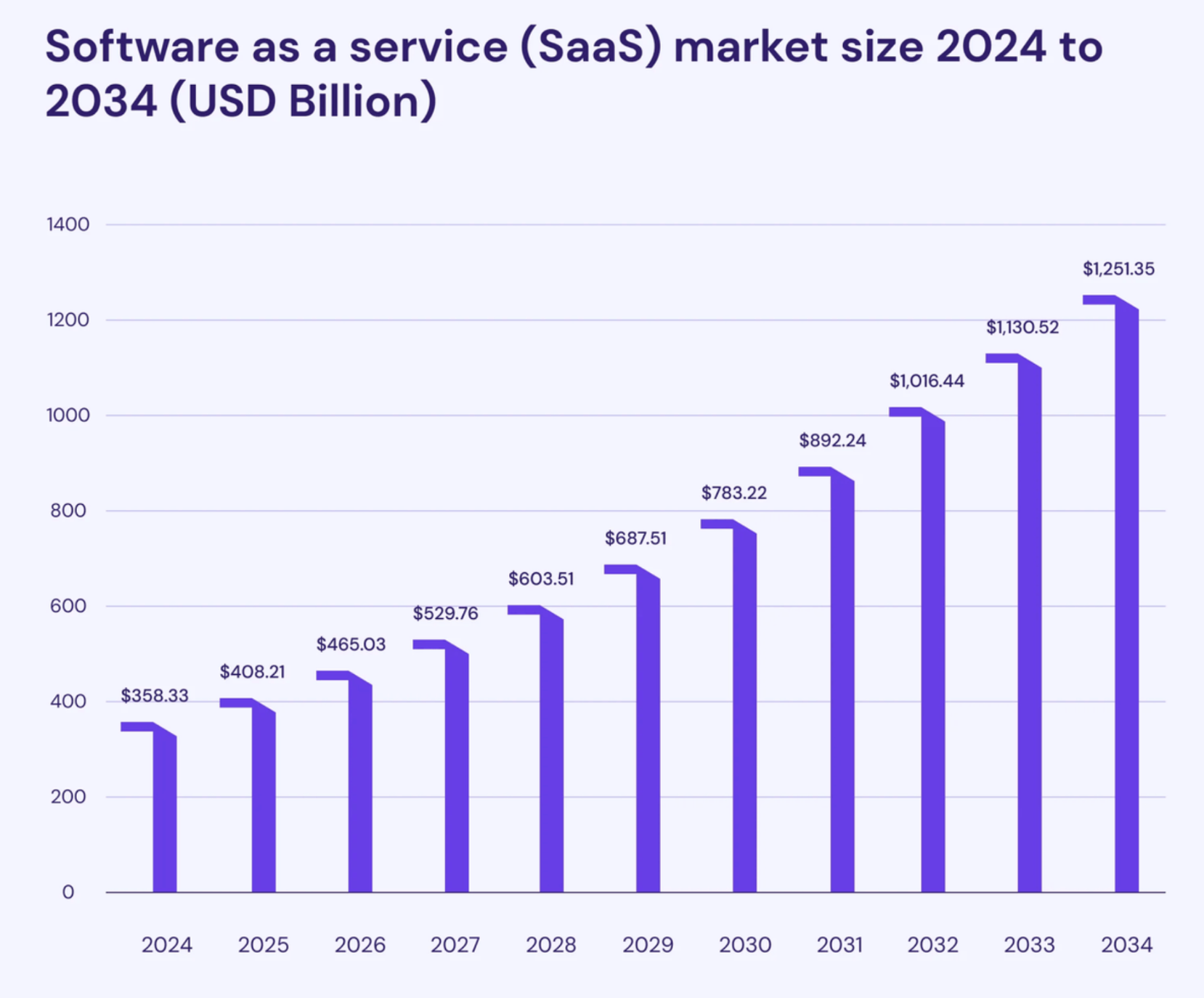
What will be the next great opportunity in this rapidly evolving field is the question facing developers, software businesses, and entrepreneurs. This article takes a look at the SaaS niches that are getting the most traction in 2026 and how companies can actually use them — whether you’re building your first product or expanding an existing B2B line. If you’re thinking about launching a SaaS startup or want to see where the market is heading next, this guide will point you in the right direction and will show the most successful examples of SaaS.
Welcome to the ChangeNOW Blog. Here we focus on research, real use cases, and practical insights — not hype. While we double-check our facts, nothing here should be taken as financial advice; crypto is a high-risk space, and your own research always matters. To stay in touch, follow us on X
1. Fintech and Crypto Infrastructure SaaS
As crypto adoption grows among B2B companies, crypto-friendly SaaS tools are emerging fast. The B2B industry continues to see a rise in the use of cryptocurrencies. In order to shorten development timelines and lower installation costs, wallets, exchanges, and fintech businesses will depend more and more on pre-built APIs and white-label solutions by 2026.
Examples:
- Fiat-to-crypto payment gateways
- Crypto liquidity APIs
- Non-custodial exchange integrations
Why It Matters
This niche combines fintech, Web3, and SaaS — one of the most profitable spheres on today’s market. The market is estimated to grow to $229.15 billion by 2034, registering a CAGR of 44.90% from 2024 to 2034. That’s why we recommend all entrepreneurs to look deeply into opportunities of Web3 services.

Web3 Market Size (USD billions)
| Year | Market Size |
|---|---|
| 2024 | $4.43 |
| 2025 | $6.15 |
| 2026 | $8.9 |
| 2027 | $12.9 |
| 2028 | $18.7 |
| 2029 | $27.1 |
| 2030 | $39.3 |
| 2031 | $57 |
| 2032 | $82.6 |
| 2033 | $119.8 |
| 2033 | $173.8 |
| 2034 | $229.15 |
Use-case:
When you add the ChangeNOW API to your altcoin wallet, it's easy to trade Bitcoin, Ethereum, USDT, and other coins. There is no necessity to refer them to an external supplier, since all operations occur within a singular interface. Users perceive it as an improvement over the product they already trust, while the wallet sees it as an easy method to generate commissions on swaps.
Result: User retention increased by 21% + new revenue stream from transactional volume.
Example of integrated ChangeNOW widget in the crypto wallet Guarda:
2. AI-Powered SaaS Tools for SMEs
AI is evolving beyond a passing trend and is the foundation of many new SaaS business ideas. Small and medium-sized firms are increasingly using AI-based SaaS technologies to cut operational expenses and human labor. CRMs with integrated automation, analytics dashboards that compile reports, and customer care platforms that manage standard inquiries are a few examples.
Examples:
- AI financial reporting tools
- AI content creation or localization platforms
- Automated sales managers
Why It Matters
Simple SaaS ideas powered by AI can become micro-SaaS innovations with high profit margins and low maintenance costs.
3. Vertical SaaS: Solving Industry-Specific Problems
In 2026, many founders are skipping the “one product for everyone” approach and building SaaS tools for a single niche — real estate, healthcare, logistics, whatever they know best. Vertical SaaS is growing quickly because these products solve problems that horizontal tools simply can’t. The demand is strong, and companies are willing to pay more for software that fits their workflow perfectly.
Examples:
- SaaS for digital health and telemedicine
- Real estate automation platforms
- Education management (EdTech SaaS)
- SaaS for law firms or compliance management
Why It Matters
Real product–market fit is easier to find when the niche is narrow. This will help you keep people for years, not months.
4. No-Code & Automation Platforms
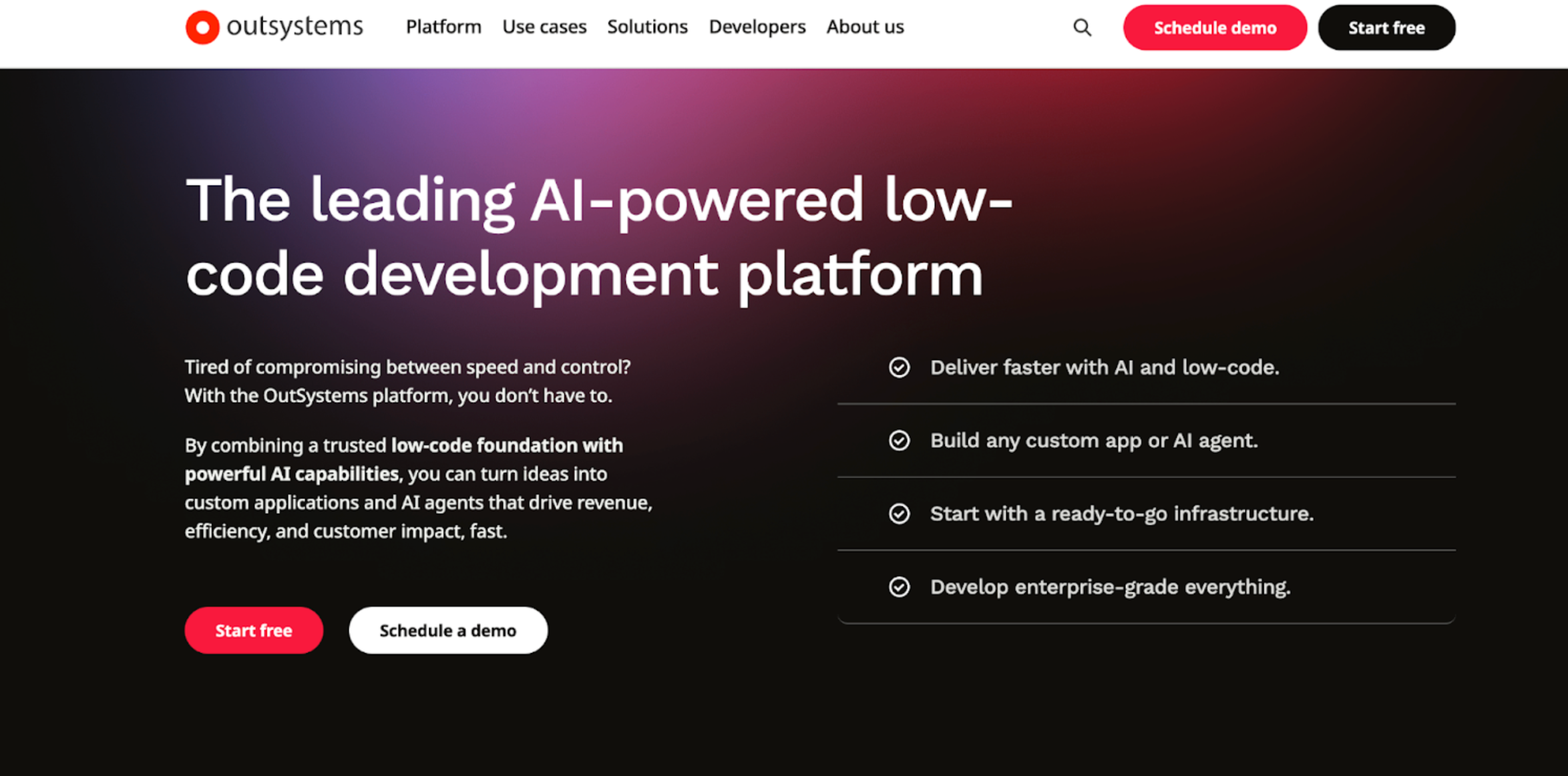
The no-code revolution continues. Businesses want faster tools to automate workflows, build landing pages, or connect services — without writing code. Today's no-code is a young and promising market, with an annual growth forecast of around $16 billion.
Examples:
- Workflow automation SaaS (Zapier-style niche tools)
- Internal app builders for startups
- AI-assisted form and survey generators
Example of a low-code AI-assisted SaaS

Use Case
A marketing agency builds an internal client portal using a no-code SaaS platform. The system automatically tracks project progress, sends invoices, and integrates with CRM for updates — all without involving developers.
**Result:**the agency saved 50+ hours monthly and launched the portal in one week.
5. Data Security, Compliance, and Privacy SaaS
In the wrong hands, sensitive data is worth a lot of money. Businesses are now well aware of the importance of responsible data handling: according to surveys, 41% of UK consumers said they would stop spending money after a security issue. With GDPR, MiCA, and new data laws, compliance has become a major pain point for global businesses. Risks are also growing with the widespread adoption of artificial intelligence.
As IBM Distinguished Engineer Jeff Crum explains in his talk (video linked below), AI is now powerful enough to be leveraged by cybercriminals to automate attacks, discover vulnerabilities, and scale exploitation. Yet the same technology can also be used by defenders to identify threats earlier, strengthen detection systems, and build more adaptive security frameworks. SaaS platforms that provide this process will thrive. Watch IBM Distinguished Engineer Jeff Crum explain AI in cybersecurity
Examples:
- Data encryption & storage SaaS
- Privacy audit automation
- Regulatory reporting platforms
Why It Matters
As digital regulation increases, security-driven products are among the most profitable SaaS ideas in 2026.
Use Case
A remote HR software provider integrates a compliance SaaS that automatically anonymizes and encrypts employee data stored in the cloud. It also manages consent records and privacy audits for EU users.
Result: passes checks automatically and saves $20K annually on manual compliance audits.
Conclusion
The most profitable SaaS companies this year are the ones that blend smart automation, AI, and — in some cases — blockchain. Whether you’re developing a B2B SaaS platform or a crypto exchange solution, success comes from creating real value through simplicity and security.
At ChangeNOW for Business, we help wallets, exchanges, and fintechs integrate non-custodial swap APIs and crypto payment solutions — transforming traditional SaaS products into future-ready fintech systems.